Petrochemical Supplier — Waxes, Glycols & Fischer-Tropsch Specialties
From microcrystalline wax and propylene glycol to Fischer-Tropsch waxes, isoparaffin solvents, normal paraffins and alpha-olefins — Sinolook supplies petrochemicals to manufacturers worldwide, sourced from established refineries and a leading Chinese coal-to-liquids producer, with SGS inspection on every shipment.
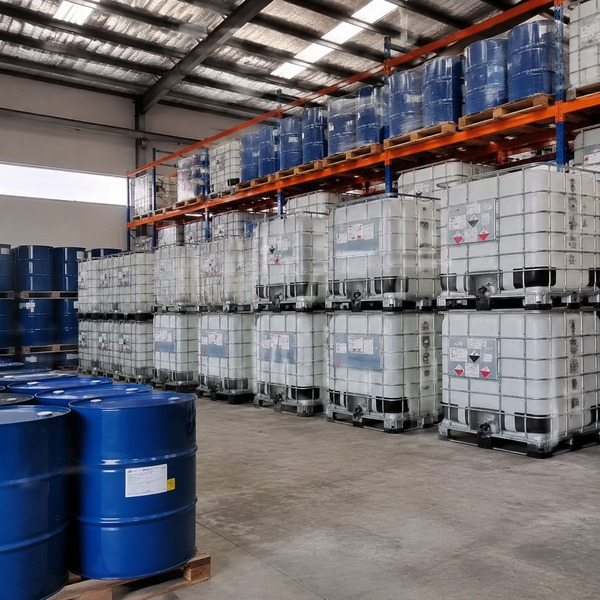
Two supply routes, one petrochemical supplier
Petrochemicals are one of Sinolook's four core business lines, alongside base oil, lubricant additives and brake fluids. As a trader and distributor, we source from two distinct production routes, so customers can choose the chemistry that fits their application and budget, and consolidate it in a single order.
New products are added regularly based on customer demand. If you need a chemical that is not listed here, send us your specification.
Petroleum wax, propylene glycol and custom sourcing
Our established product lines, each with its own page listing grades, typical specifications and packaging.
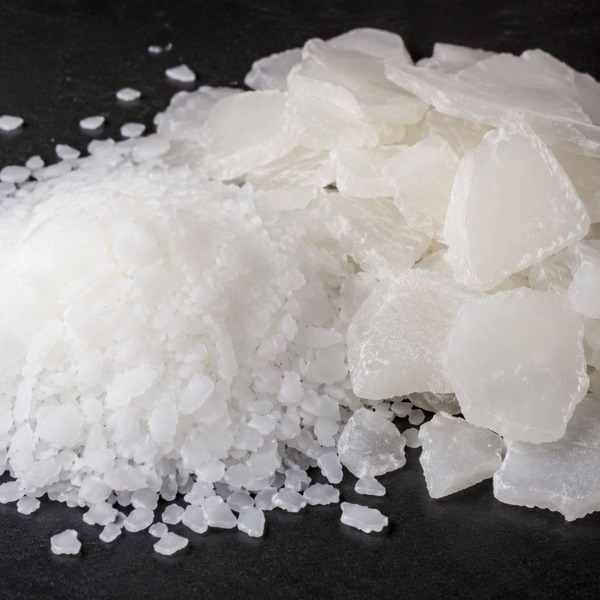
Petroleum Wax
Microcrystalline wax with drop melting points of 67–81°C from China and Korea, plus slack wax from Thailand. Used in candles, rubber, packaging, adhesives and polishes.
View wax products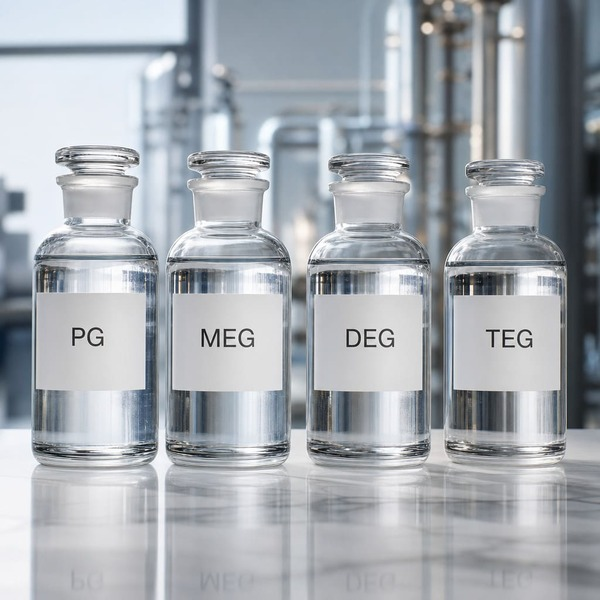
Propylene Glycol
High-purity industrial propylene glycol (CAS 57-55-6) with low water, low acidity and Hazen colour ≤5. Used as a humectant, solvent, coolant and resin intermediate.
View propylene glycol
Custom Sourcing
Through our refinery network we regularly fulfil requests for ethylene glycols, PTA, glycol ethers, white spirit and other petrochemicals outside our standard range.
Send a sourcing requestHigh-purity F-T waxes, solvents, paraffins and olefins
Fischer-Tropsch synthesis builds hydrocarbons from purified synthesis gas instead of crude oil. The result is a family of products with ultra-low sulfur and aromatics, essentially free of nitrogen and metals, and with tightly controlled molecular structure.
Coal gasification
Coal is converted into raw synthesis gas.
Gas cleaning
Sulfur, nitrogen and impurities are removed, leaving clean CO + H₂.
F-T synthesis
CO and H₂ are built up into long-chain hydrocarbons over a catalyst.
Hydrofining & fractionation
Products are hydrofined, isomerised where needed, and cut into narrow fractions.
6 product families
Waxes, specialty waxes, isoparaffins, normal paraffins, white oils and olefins.
Fischer-Tropsch Refined Wax
Fully refined F-T wax in ten grades from 33# to 110#, from soft low-melt wax to hard white powder above 110°C drop melting point. High n-alkane content gives high hardness, low melt viscosity and short plasticising time.
Specialty & Functional Waxes
Phase change wax (PCM) with melting points from 21°C to 81°C and latent heat of at least 210 kJ/kg, oxidised F-T wax with acid values of 11–47 mgKOH/g, heat-transfer ribbon wax and candle wax.
Isoparaffin Solvents
Five isoparaffin grades (IP40 to IP95) with distillation ranges from 165°C to 260°C, isoparaffin content above 96%, aromatics below 0.0005 wt% and sulfur below 1 mg/kg. Colourless, water-white and low in odour.
Normal Paraffins & Liquid Paraffin
Light (C10–C13) and heavy (C14–C15) liquid paraffin plus single-carbon cuts from n-decane to n-tetradecane, all at 98.5%+ normal paraffin content with sulfur at or below 1 mg/kg.
Light White Oil
Five light white oil grades (W2-40 to W2-140) with distillation from 160°C to 320°C and closed-cup flash points from 27°C up to 131°C. Odourless, low in aromatics and free of mechanical impurities.
Alpha-Olefins & Alkylbenzene
Linear alpha-olefins from 1-octene to 1-octadecene at 96.7–99.7% main-carbon purity, plus coal-based F-T alkylbenzene (average molecular weight 244), a water-white, low-bromine aromatic intermediate.
Fischer-Tropsch grades at a glance
Key specification ranges across each family. Full data sheets for individual grades are available on request.
| Product family | Grades | Key specification range | Test basis |
|---|---|---|---|
| F-T refined wax | 33#, 45#, 52#, 60#, 70#, 85#, 90#, 95#, 100#, 110# | Melting point 53–55°C (52#) to drop melting point ≥110°C (110#); oil content from ≤15% (52#) down to <0.18% (110#); colour/gas thermal stability >24 h at 125°C | GB/T 2539, GB/T 8026, GB/T 3554 |
| Phase change wax | PCM22 to PCM80 (C17 to C37–C42) | Melting point 21–23°C to 79–81°C; enthalpy ≥210–230 kJ/kg | GB/T 2539, GB/T 19466.3 |
| Oxidised F-T wax | FOW010, FOW020, FOW030, FOW040 | Acid value 11.4–46.5 mgKOH/g; drop melting point 89.45–100.8°C | GB/T 264, GB/T 8026 |
| Isoparaffin solvents | IP40L, IP40H, IP60, IP80, IP95 | Distillation 165–180°C to 230–260°C; isoparaffin >96 wt%; aromatics <0.0005 wt%; sulfur <1 mg/kg; pour point <−57°C; flash point ≥42°C to ≥95°C | GB/T 6536, SH/T 0409, SH/T 0689 |
| Normal paraffins | C10–C13, C14–C15, n-C10, n-C11, n-C12, n-C13, n-C14 | Normal paraffin ≥98.5 wt%; single-carbon purity ≥98.5 wt% (pure cuts); sulfur ≤1 mg/kg; Saybolt colour up to +30 | SH/T 0410, SH/T 0689 |
| Light white oil | W2-40, W2-60, W2-80, W2-95, W2-140 | Distillation 160–200°C to 280–320°C; closed-cup flash point ≥27°C to ≥131°C; kinematic viscosity 0.8–4 mm²/s at 40°C; odourless | Producer data sheet |
| Linear alpha-olefins | 1-octene, 1-decene, 1-dodecene, 1-tetradecene, 1-hexadecene, 1-octadecene | Main-carbon content 96.69–99.74%; olefin content 95.1–99.22% | Gas chromatography |
Values are taken from the producer's published data sheets. Actual values for each shipment are confirmed by COA and, on request, SGS inspection. Scroll the table sideways on mobile.
Fischer-Tropsch vs petroleum-derived products
Both routes have a place. F-T products win on purity and consistency; petroleum-derived waxes remain the better choice where flexibility, tack or the lowest cost matter most.
| Attribute | Fischer-Tropsch (coal-to-liquids) | Petroleum-derived |
|---|---|---|
| Feedstock | Purified synthesis gas (CO + H₂) made from coal | Crude oil fractions |
| Sulfur | Ultra-low, e.g. below 1 mg/kg in isoparaffin solvents | Present in crude; final level depends on refining depth |
| Aromatics | Ultra-low, e.g. below 0.0005 wt% in isoparaffin solvents | Present in crude; reduced by hydrotreating |
| Nitrogen & metals | Removed with the syngas before synthesis; ash-free | Present in crude; removed during refining |
| Molecular structure | Controlled: high normal-paraffin content (waxes, paraffins) or high iso-paraffin content (solvents) | Mixture of normal, iso- and cyclo-paraffins |
| Best fit | Hard, high-melting waxes; low-odour solvents; high-purity single-carbon cuts | Flexibility and tack (microcrystalline wax); cost-effective feedstock (slack wax) |
Not sure which route suits your formulation? Compare our microcrystalline and slack wax grades with the F-T range above, or ask us for samples of both.
Why customers source petrochemicals from us
Two production routes
Refinery-based and Fischer-Tropsch products from one supplier, so you can match chemistry and cost to each application.
Mixed-product consolidation
Combine waxes, glycols, solvents and paraffins in one container to save freight versus ordering from several suppliers.
SGS inspection on every shipment
COA with full specifications, sealed samples and traceable batch records, following the same procedure as our base oil line.
Flexible packaging & MOQ
Bags, drums, IBC totes and ISO tanks. Low MOQ on trial orders so new customers can test before committing to a full container.
Industries we serve
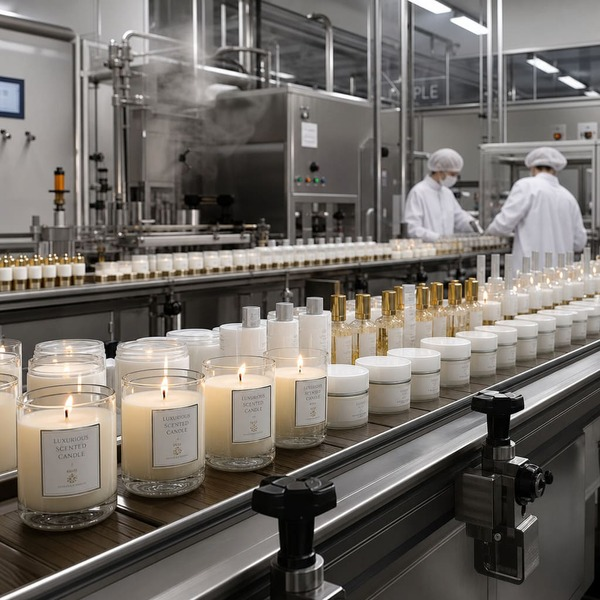
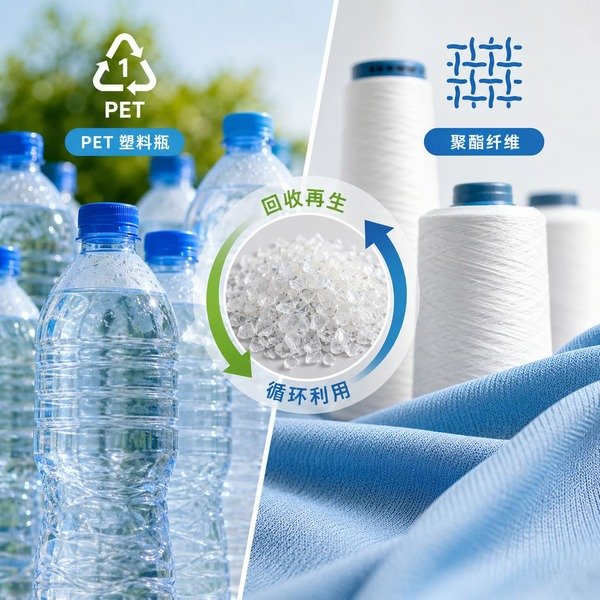
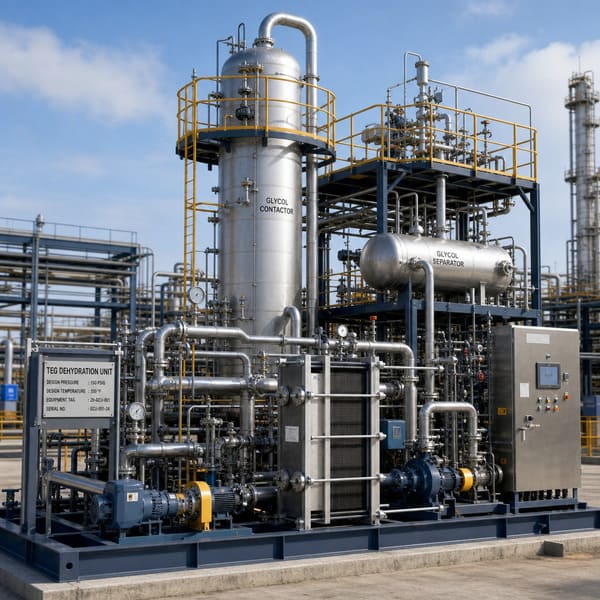
Sinolook petrochemicals go into plastics, rubber, coatings, personal care, cleaning products, lubricants and energy storage.

5-step SGS-inspected supply chain
The quality protocol we apply to ADNOC Group III base oil applies to every petrochemical shipment.
SGS shore-tank inspection and tank sealing before loading at origin.
Full specification COA issued; sealed shipping samples sent to the customer.
SGS re-inspection at the discharge port before offloading.
Dedicated clean pipelines and tanks to prevent cross-contamination.
Final SGS report after discharge; traceable batch records archived.
Packaging options for global delivery
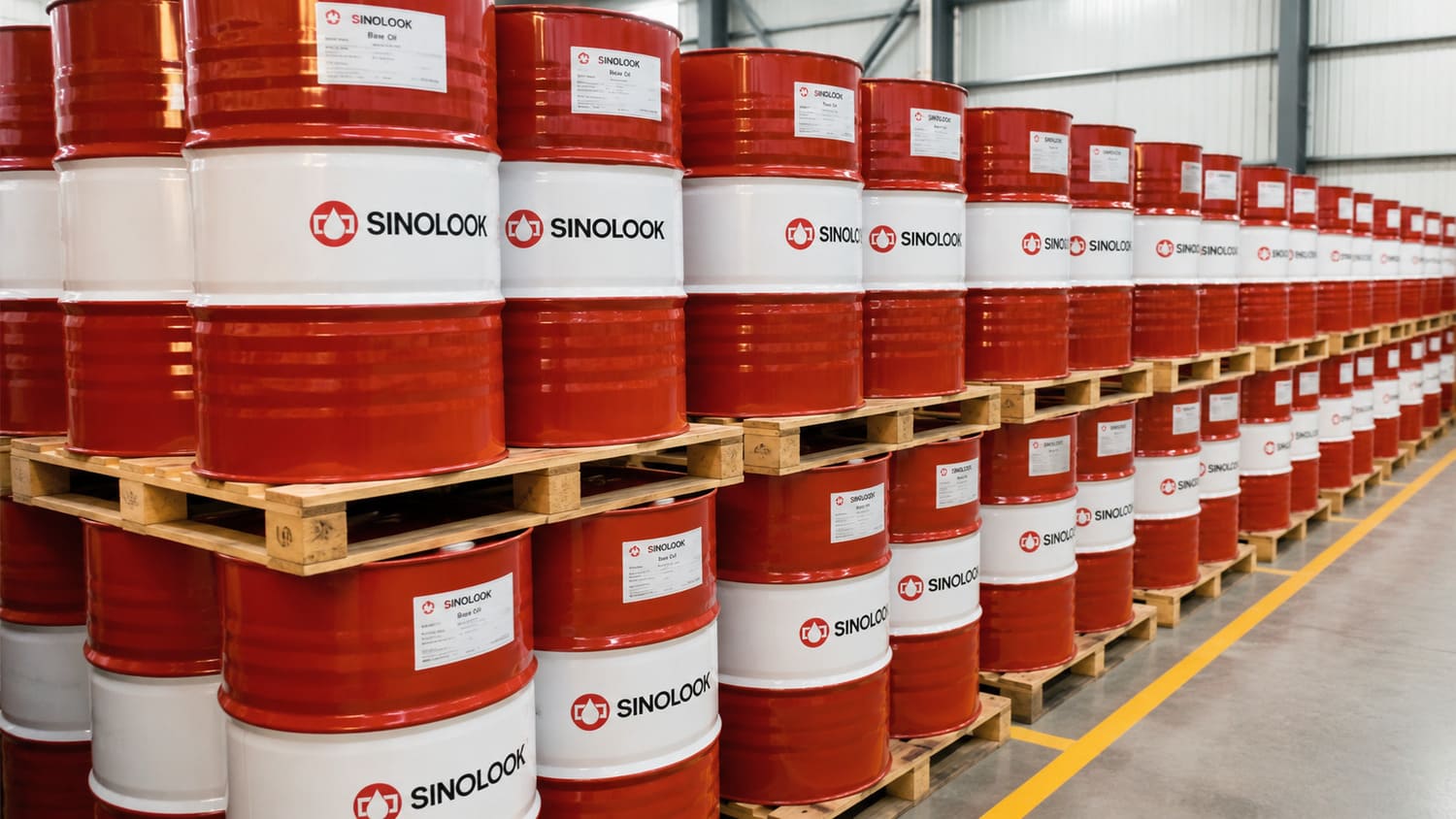
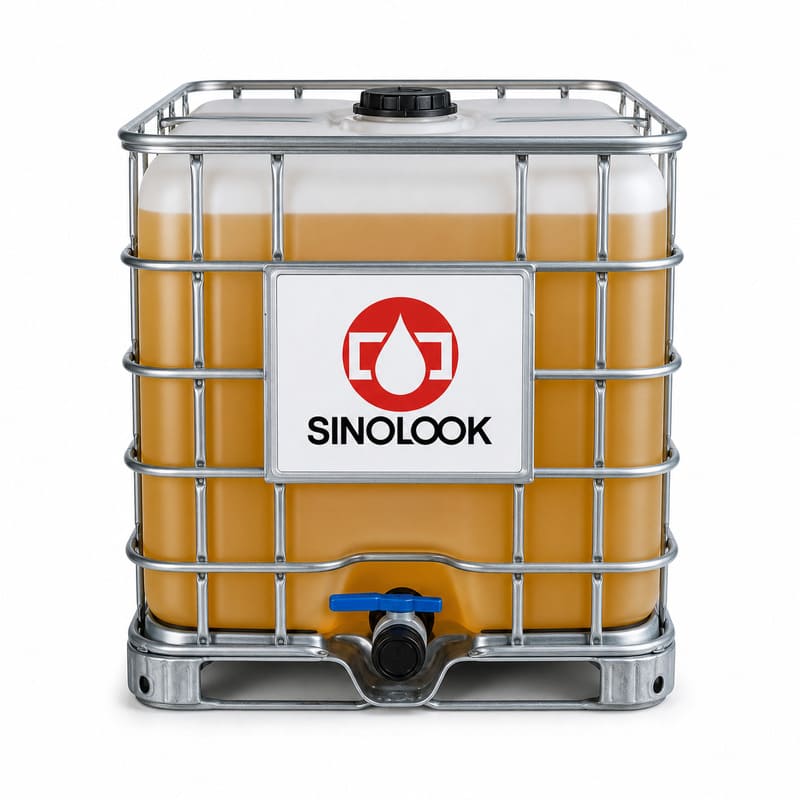
Solid waxes ship in bags; liquids ship in drums, IBC totes or ISO tanks, delivered worldwide through our global bonded storage network.
Bags & drums
Solid waxes in 25 kg kraft-paper or PP bags and 500 / 1,000 kg jumbo bags; liquids in 200 L steel drums, 80 per 20' FCL.
IBC totes (1,000 L)
20 totes per 20' FCL for solvents, paraffins, white oil and PG. UN-rated; returnable on request.
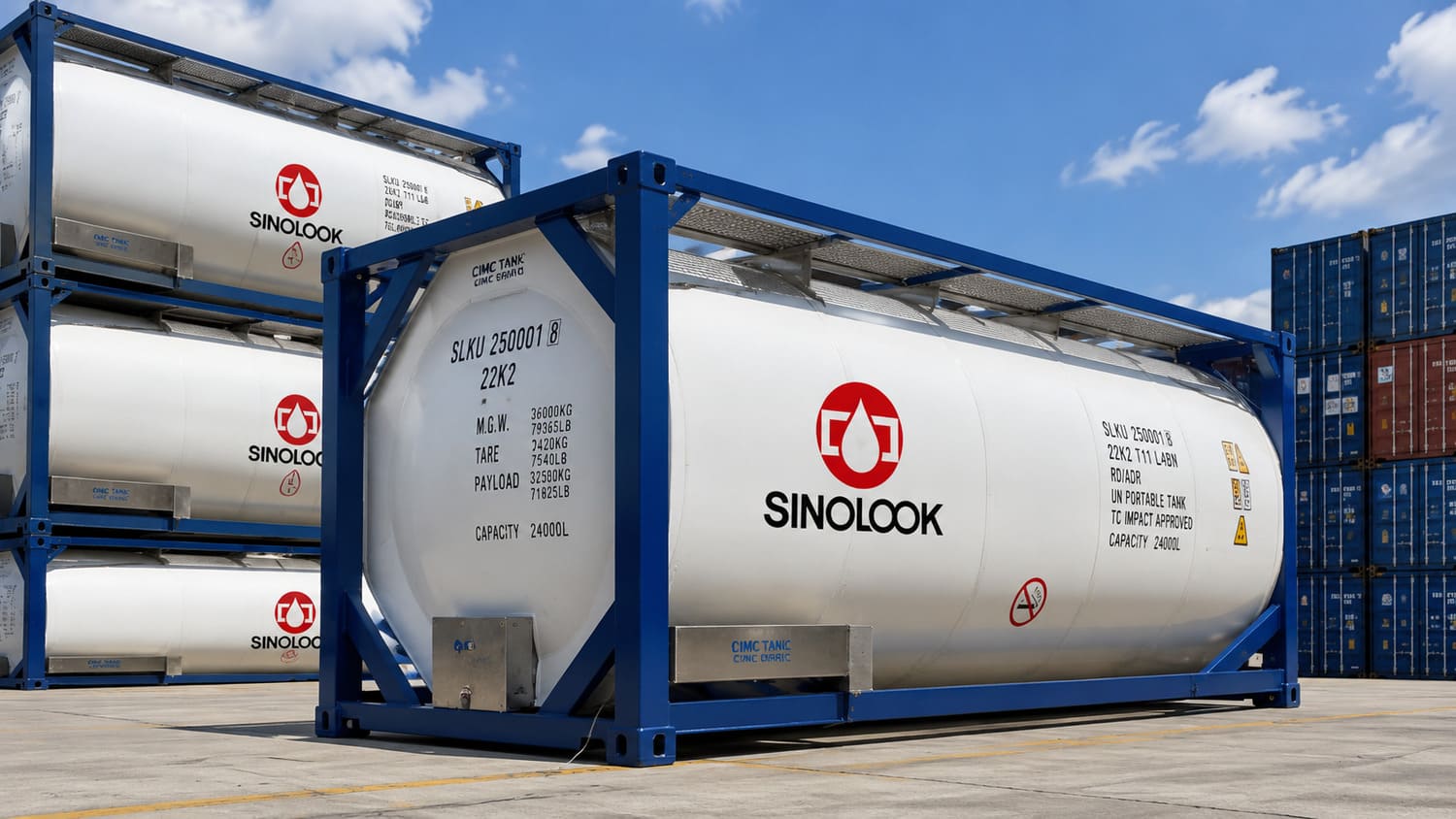
ISO tanks & flexitanks
22–24 MT per ISO tank. The most cost-effective option for bulk PG, solvents and normal paraffins.
Frequently asked questions
What is Fischer-Tropsch wax, and how does it differ from microcrystalline wax?
Fischer-Tropsch (F-T) wax is synthesised from purified syngas rather than refined from crude oil. It is mostly straight-chain, so it is hard, white, low in oil and sulfur, and melts sharply with low melt viscosity, which suits PVC lubricants, hot-melt adhesives, masterbatch and inks. Microcrystalline wax is petroleum-derived with branched, fine crystals, which makes it flexible and tacky, better for cosmetics, rubber and adhesives that need elasticity. See our microcrystalline and slack wax grades for comparison.
Are your isoparaffin solvents low-odour and aromatic-free?
Our F-T isoparaffin solvents contain more than 96 wt% isoparaffins, with aromatics below 0.0005 wt%, sulfur below 1 mg/kg and Saybolt colour of at least +30. Five grades cover distillation ranges from 165°C to 260°C and flash points from 42°C to 95°C, so you can match volatility and safety requirements for cleaning, metalworking, aerosol or coating applications.
Do you supply alpha-olefins for PAO and surfactant production?
Yes. We supply linear alpha-olefins from 1-octene to 1-octadecene, with main-carbon purity of 96.7–99.7% by gas chromatography. 1-Octene and 1-decene are the main feedstocks for poly-alpha-olefin (PAO) synthetic base oil; 1-dodecene and heavier olefins are used in surfactants, oilfield chemicals and paper sizing. Contact us with your grade and volume.
What is the minimum order quantity (MOQ) for petrochemicals?
MOQ depends on product and packaging. Bagged waxes and drummed liquids start from one pallet for trial orders; IBC totes from one tote; bulk ISO tank shipments from one tank (typically 22–24 MT). Fischer-Tropsch products are supplied to order, so lead time and MOQ are confirmed at quotation.
What grade of propylene glycol do you supply?
Our standard propylene glycol is high-purity industrial-grade 1,2-PG at 99.9%+ assay, with water below 0.10%, acidity below 0.010% and Hazen colour ≤5. If you need a certified grade for a regulated application, tell us the requirement and we will confirm availability. Full details are on our propylene glycol page.
Do you supply other petrochemicals not listed here?
Yes. Through our refinery network we regularly source ethylene glycols (MEG, DEG, TEG), PTA, glycol ethers, white spirit and aromatic solvents on request. Email us your specification and we will come back with availability and pricing.
How do you ensure quality consistency between shipments?
Every shipment follows the same 5-step SGS-inspected protocol used for our ADNOC Group III base oil line: shore-tank inspection before loading, sealed samples, COA documentation, discharge-port re-inspection and a final post-discharge report. Batch records are kept for every shipment and available on request.
What is the typical lead time, and where do you ship?
In-stock products load in 7–14 days; products sourced fresh from producers take 15–30 days. Ocean transit adds 10–35 days depending on destination. We serve customers in more than 60 countries and arrange COO, multilingual SDS and other shipping documents as required.
Ready to source petrochemicals from Sinolook?
Tell us the product, grade, quantity and destination port. We respond within 24 hours with a data sheet, samples and a delivered quotation.
Request a Quote