Xiamen Sinolook Oil Co., Ltd

Sulfurized Alkylphenate Detergent — Calcium Phenate Supplier | Sinolook

★ Detergency + Antioxidancy in One Molecule
The dual-function detergent for marine and heavy-duty diesel engines.

Low, Medium and High TBN calcium sulfurized alkylphenate (calcium phenate) — three grades that combine acid neutralization with phenolic antioxidancy in a single additive. Engineered for marine cylinder oils, TPEO, HDDO and gas engine oils.

3
TBN Grades
100–400
TBN Range (mg KOH/g)
Dual
Detergent + Antioxidant
60+
Countries Served
About Sulfurized Alkylphenate Detergents

One molecule, two jobs — detergency plus oxidation control

Sulfurized alkylphenate detergents — commonly called calcium phenate — are the dual-function workhorse behind nearly every modern marine and heavy-duty diesel engine oil.

Made by reacting alkylphenol with sulphur and calcium hydroxide (and over-basing with excess calcium oxide), the resulting molecule carries a calcium carbonate core for acid neutralization plus phenolic hydroxyl groups and sulphur bridges that scavenge free radicals to slow oil oxidation. The result: one additive does the job of two — reducing total package weight, lowering sulphated ash, and delivering proven performance for API CK-4, ACEA E-class, marine TPEO and cylinder oil specifications. Sinolook supplies three TBN tiers — Low, Medium and High — to cover everything from moderate-severity PCMO to high-sulphur marine residual fuel applications.
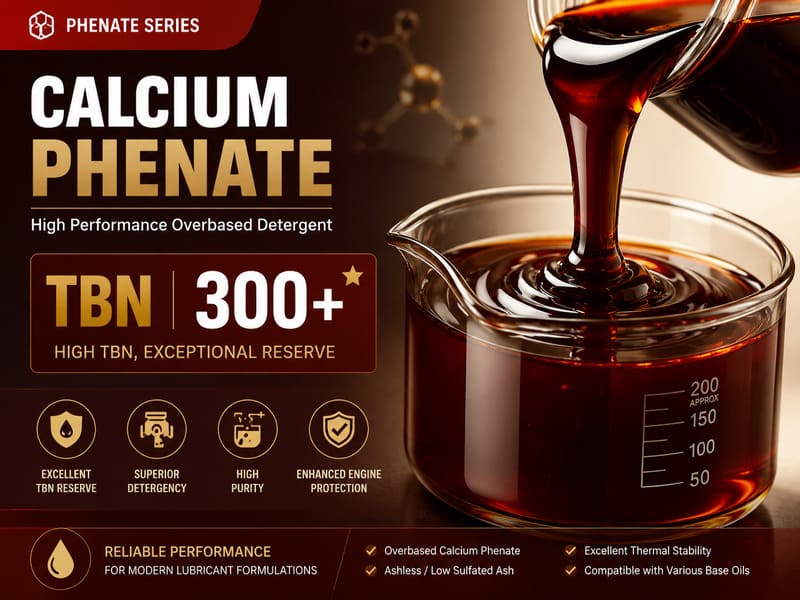
High TBN calcium sulfurized alkylphenate detergent additive
The Dual-Function Advantage

Why one calcium phenate replaces two separate additives

Sulfurized alkylphenate is the only common detergent chemistry that meaningfully contributes to oxidation control. The phenolic ring and sulphur bridges act as built-in radical scavengers — so you can reduce separate antioxidant loading and free up additive package budget.

01

Detergency & Acid Neutralization

The overbased calcium carbonate core neutralizes sulphuric and nitric acids formed during combustion of sulphur- and nitrogen-containing fuels. The phenate surfactant shell disperses high-temperature deposits and protects pistons, rings and ring grooves — particularly critical for two-stroke marine cylinder oils and heavy-duty diesel.

02

Antioxidancy & Radical Scavenging

The phenolic hydroxyl groups donate hydrogen to peroxyl radicals, while sulphur bridges decompose hydroperoxides into non-radical products. Together they slow oil oxidation at high engine operating temperatures — extending oil drain intervals and reducing the need for separate phenolic / aminic antioxidants in the formulation.

Detergent Family Comparison

Sulfonate vs Phenate vs Salicylate — how to choose

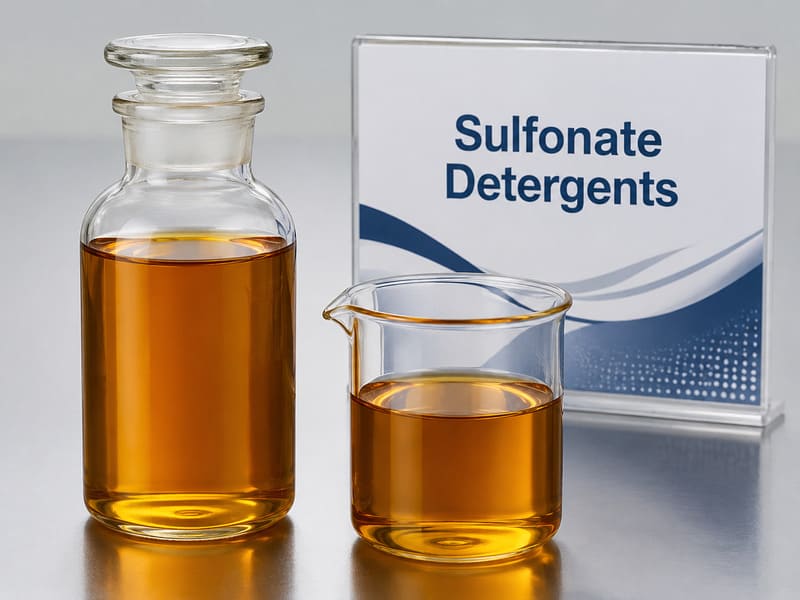
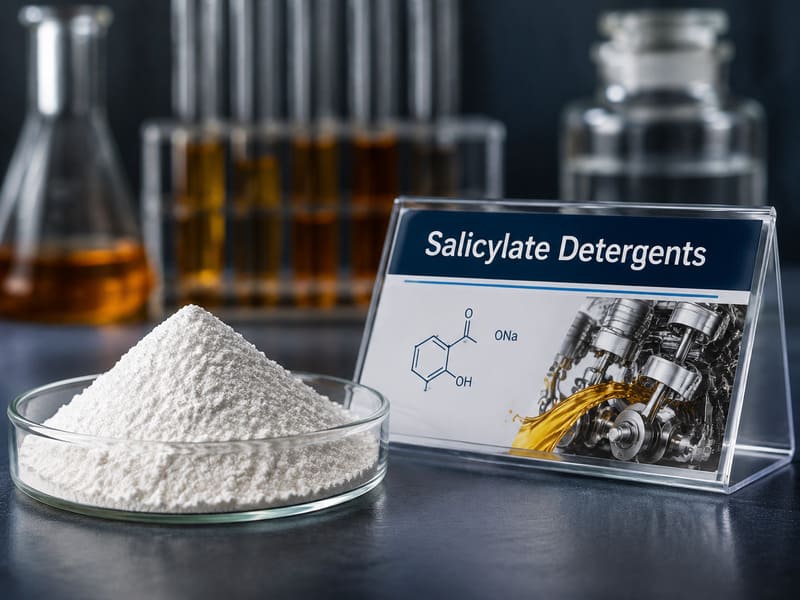
Modern engine oils rarely use one detergent type alone. Each chemistry brings different strengths: sulfonates are the cost-effective workhorse for acid neutralization; sulfurized alkylphenates add antioxidancy; salicylates excel at thermal stability for low-SAPS formulations. This comparison helps you balance the three for your target specification.

Detergent chemistry comparison Surfactant shell determines secondary function beyond acid neutralization Sulfonate SO₃⁻M⁺ R Alkylbenzene sulfonic acid + M M = Ca / Mg / Ba / Zn Strengths ✓ Best cost-to-TBN ratio ✓ Strong detergency ✓ Excellent rust inhibition Trade-off — No inherent antioxidancy ★ Sulfurized Alkylphenate OH S OH ··· Ca²⁺ ··· Sulphur-bridged alkylphenol + Ca M = Ca (with overbased CaCO₃ core) Strengths ✓ Detergency + antioxidancy ✓ High-temp deposit control ✓ Marine & HDDO proven Trade-off — Higher cost than sulfonate Salicylate OH COO⁻M⁺ R Alkyl salicylic acid + Ca Adjacent COO and OH on ring Strengths ✓ Best thermal stability ✓ Low-SAPS friendly ✓ Mild antioxidancy Trade-off — Highest cost of the three

In practice, most engine oils blend two or three detergent types — for example, a heavy-duty diesel oil might combine 3% medium-TBN sulfonate (cost-effective alkalinity) with 1.5% medium-TBN sulfurized alkylphenate (antioxidancy). See sulfonate detergents → and salicylate detergents →.

Our Calcium Phenate Range

Three TBN tiers for every detergency target

From moderate-severity gas engine oils to high-sulphur marine cylinder applications — three grades let you fine-tune alkalinity reserve and antioxidancy contribution. Click any product for full TDS and bulk-supply quotation.

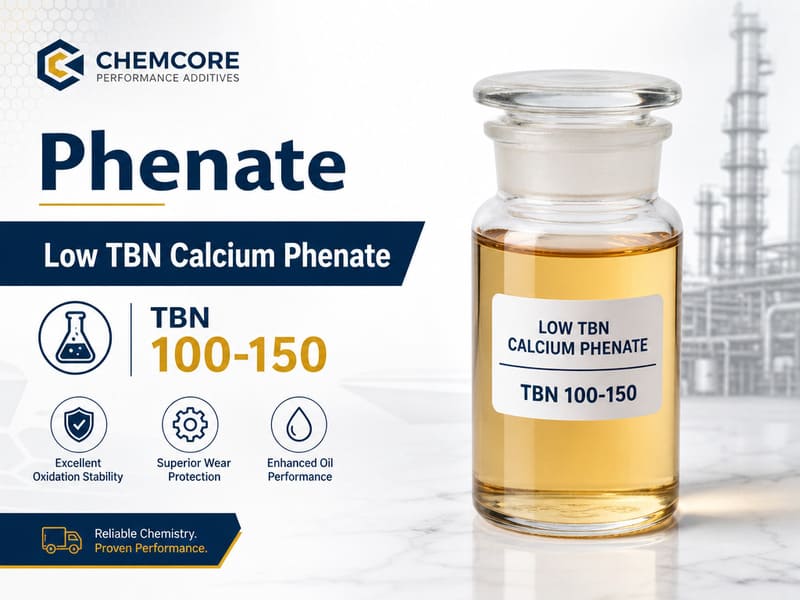
Low TBN calcium sulfurized alkylphenate detergent additive
Low TBN

Low TBN Calcium Sulfurized Alkylphenate

TBN 100–150 · Ca content Per TDS

Trunk piston engine oils, mid-range PCMO and gas engine oils. Provides balanced detergency and antioxidancy at moderate acid loads.

View details
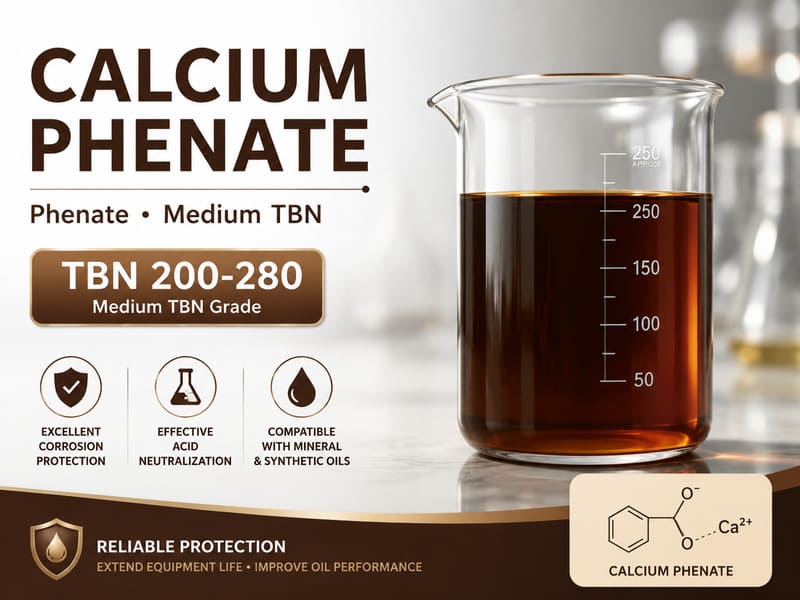
Medium TBN calcium sulfurized alkylphenate detergent additive
Medium TBN

Medium TBN Calcium Sulfurized Alkylphenate

TBN 200–280 · Ca content Per TDS

Heavy-duty diesel, gas engine oils and marine trunk piston engine oils (TPEO). The most commonly specified phenate tier.

View details
Selection Guide

Calcium phenate at a glance — TBN, treat rate & application

Quick comparison across all three Sinolook calcium sulfurized alkylphenate grades. Click any row to open the full TDS.

Product TBN (mg KOH/g) Typical Treat Rate Primary Application Pairs Well With TDS
Low TBN Calcium Phenate 100–150 1.5–3% Trunk piston, PCMO, gas engine Med-TBN sulfonate View →
Medium TBN Calcium Phenate 200–280 2–4% HDDO, gas engine, marine TPEO High-TBN sulfonate View →

Treat rates indicative for typical formulations. Refer to product TDS for batch-specific specifications and your finished-lubricant target.

Where Calcium Phenate Excels

Marine and heavy-duty diesel — the natural home of phenate

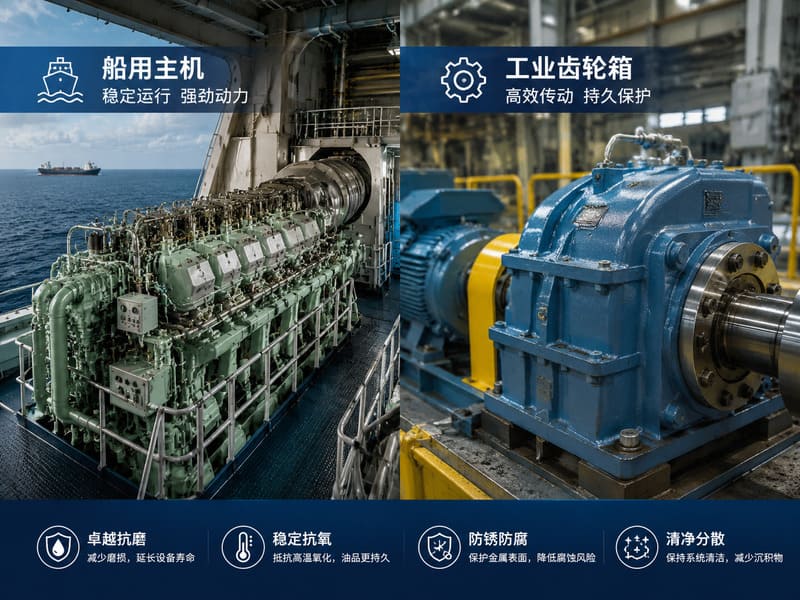
Calcium sulfurized alkylphenate is the detergent of choice wherever fuel sulphur and combustion temperature create both acid attack and oxidative stress at the same time — the classic profile of marine engines and heavy-duty diesel.

Why Sinolook Calcium Phenates

Consistent sulphur, calcium and TBN — formulation-ready every batch

Phenate performance depends on tightly controlled sulphur content, calcium content and TBN. Every Sinolook shipment is verified by SGS plus our in-house ASTM lab — so blend after blend, you get the same response curve.

ADVANTAGE 01

Tight sulphur and TBN control

ASTM D2622 sulphur and D2896 TBN verified on every batch. Consistent active sulphur loading — critical for predictable antioxidancy response in the finished oil.

ADVANTAGE 02

Co-supply with sulfonate & salicylate

Order phenate alongside sulfonate and salicylate in one PO — fewer suppliers to qualify, one consolidated shipment, one customs entry.

ADVANTAGE 03

Reference formulations available

Starting formulations for API CK-4 HDDO, ACEA E-class, marine TPEO and marine cylinder oils available on request — including treat-rate ratios with our companion sulfonate and dispersant products.

ADVANTAGE 04

Drum to ISO tank, sample to bulk

Start with a 200L drum for formulation qualification, scale to IBC tote, flexitank or ISO tank for commercial supply across 60+ countries.

Related Detergent Categories

Build a complete detergent package — pair phenate with sulfonate and salicylate

Modern engine oils combine 2–3 detergent chemistries for optimal cost, antioxidancy and thermal stability. Sinolook supplies all three under one supply chain:

FAQ

Frequently asked questions about sulfurized alkylphenate detergents

What is a sulfurized alkylphenate detergent (calcium phenate)?
A sulfurized alkylphenate detergent — commonly called calcium phenate — is a metal-containing lubricant additive made by reacting an alkylphenol with sulphur and calcium hydroxide, typically with excess calcium oxide trapped inside as a calcium carbonate core. The sulphur bridges link two phenol units together, and the phenolic hydroxyl groups remain on the molecule. This gives the additive a unique dual function: the calcium carbonate core neutralizes acidic combustion products (detergency), while the phenolic hydroxyl groups and sulphur bridges scavenge free radicals to slow oxidation (antioxidancy). One molecule does the job of two.
What is the difference between sulfonate, phenate and salicylate detergents?
All three are overbased metal detergents with a calcium carbonate core, but their surfactant shells differ, giving each a different secondary function:
Sulfonate — best cost-to-detergency ratio; everyday workhorse for acid neutralization; no inherent antioxidancy.
Sulfurized alkylphenate — adds antioxidancy via phenolic ring and sulphur bridges; ideal for high-temperature marine and HDDO.
Salicylate — best thermal stability and mild antioxidancy from the salicylate ring; preferred for low-SAPS ACEA C-class formulations.
Most modern engine oils blend two or three of these — sulfonate for cost-effective alkalinity, phenate or salicylate for antioxidancy and thermal stability.
Why are sulfurized alkylphenates preferred for marine and HDDO oils?
Marine residual fuels and sour-crude diesel produce two problems at once: large amounts of sulphuric acid (from fuel sulphur combustion) plus aggressive oxidative species (from incomplete combustion and high cylinder temperatures). Sulfurized alkylphenates address both with one additive:
1. The overbased calcium carbonate core neutralizes the sulphuric acid;
2. The phenolic hydroxyl groups scavenge peroxyl radicals;
3. The sulphur bridges decompose hydroperoxides.
This dual function reduces total additive package weight, lowers sulphated ash, and delivers proven performance for API CK-4, ACEA E-class, marine TPEO and cylinder oil specifications.
What TBN level should I choose for my formulation?
Choose by fuel sulphur and operating severity:
Low TBN (100–150) — trunk piston engine oils, mid-range PCMO and gas engine oils with moderate acid loads. Typical treat rate 1.5–3%.
Medium TBN (200–280) — heavy-duty diesel, gas engine oils, marine trunk piston engine oils (TPEO). Treat rate 2–4%.
High TBN (300+) — marine cylinder oils, HDDO running on high-sulphur or sour-crude fuel, gas engine oils with corrosive combustion gases. Treat rate 3–5%.
Phenates are commonly used together with sulfonates — let the lower-cost sulfonate carry bulk alkalinity, and use phenate at 1–2% specifically for its antioxidancy contribution.
Can sulfurized alkylphenates be used with sulfonates and ZDDP in one formulation?
Yes — modern engine oil formulations rely on exactly this combination. A typical heavy-duty diesel oil uses:
Sulfonate detergent at 3–5% for cost-effective acid neutralization;
Sulfurized alkylphenate at 1–3% for antioxidancy and high-temperature deposit control;
Ashless succinimide dispersant at 4–6% for soot handling;
ZDDP at 1–1.4% for anti-wear and additional oxidation control.
The two detergents work together — sulfonate handles bulk alkalinity, phenate handles oxidation stress. See sulfonate detergents, ashless dispersants, and ZDDP & antioxidants.
Does sulfurized alkylphenate contribute to sulphated ash?
Yes — all metal-containing detergents (sulfonate, phenate, salicylate) contribute calcium to the finished oil's sulphated ash content (measured by ASTM D874). Phenates and sulfonates contribute roughly the same calcium per unit of TBN. For modern low-SAPS ACEA C-class formulations where sulphated ash is capped at ≤0.8%, salicylate detergents are often preferred because of their higher thermal stability per unit of ash; phenate and sulfonate remain dominant in marine and HDDO where low-SAPS limits do not apply.
What packaging and MOQ does Sinolook offer for calcium phenate?
Standard packaging: 200L drum (sample / qualification), 1000L IBC tote (pilot batches), flexitank (~20 MT), and ISO tank container (~20 MT commercial supply). MOQ typically 1 drum for samples and 1 ISO tank for commercial. Global bonded storage across strategic Asia-Pacific hubs enables fast delivery worldwide. HS Code 3811.21 for most calcium phenate shipments.
Can Sinolook provide TDS, MSDS, COA and starting formulations?
Yes. Technical Data Sheet (TDS), Material Safety Data Sheet (MSDS / SDS in GHS format), and batch-specific Certificate of Analysis (COA) are provided for every product in English or Chinese. We can also share reference starting formulations for common applications including API CK-4 HDDO, ACEA E-class, marine TPEO and marine cylinder oils — with recommended treat-rate ratios using our companion sulfonate and dispersant products. Email sales@sinolook.com or message us on WhatsApp.

Ready to source calcium phenate from Sinolook?

Tell us the TBN tier, target specification (API CK-4, ACEA E-class, marine cylinder, etc.) and volume — we'll respond within 24 hours with TDS, reference treat rate and a delivered quotation.

Request a Quote

滚动至顶部