Xiamen Sinolook Oil Co., Ltd

ZDDP Lubricant Additive — Antioxidant & Anticorrosion Supplier | Sinolook

★ 4 ZDDP · 3 Phenolic · 2 Aminic — 9 Grades Total
The soul of every engine, hydraulic and gear oil — ZDDP plus the antioxidant synergy.

Primary, Secondary, C8 and Hybrid ZDDP plus phenolic (DBPC, mixed phenols, polymeric ester) and aminic (alkylated, nonylated diphenylamine) antioxidants. Nine grades engineered for API SP / SQ, ILSAC GF-6, ACEA C-class, CK-4, DIN 51524 and ISO VG specifications.

9
AO + ZDDP Grades
3-in-1
ZDDP: AW + AO + AC
Synergy
Phenolic + Aminic Pair
60+
Countries Served
About Antioxidant & Anticorrosion Additives

ZDDP plus the phenolic-aminic synergy — the oxidation defence of every modern lubricant

Base oil oxidizes from the moment it meets oxygen and heat. Without antioxidants and anticorrosion additives, an engine oil would turn into sludge within hours of operation.

Sinolook supplies the complete oxidation-defence package: ZDDP (Zinc Dialkyldithiophosphate) — the legendary multifunctional additive that delivers anti-wear, antioxidant and anti-corrosion in one molecule; phenolic antioxidants (DBPC, mixed phenols, polymeric phenolic ester) that scavenge peroxy radicals to stop oxidation chain propagation; and aminic antioxidants (alkylated and nonylated diphenylamine) that decompose hydroperoxide intermediates at high temperature. Used together, the three families deliver oxidation life 3–5× longer than ZDDP alone — essential for modern downsized turbocharged engines and extended drain intervals.
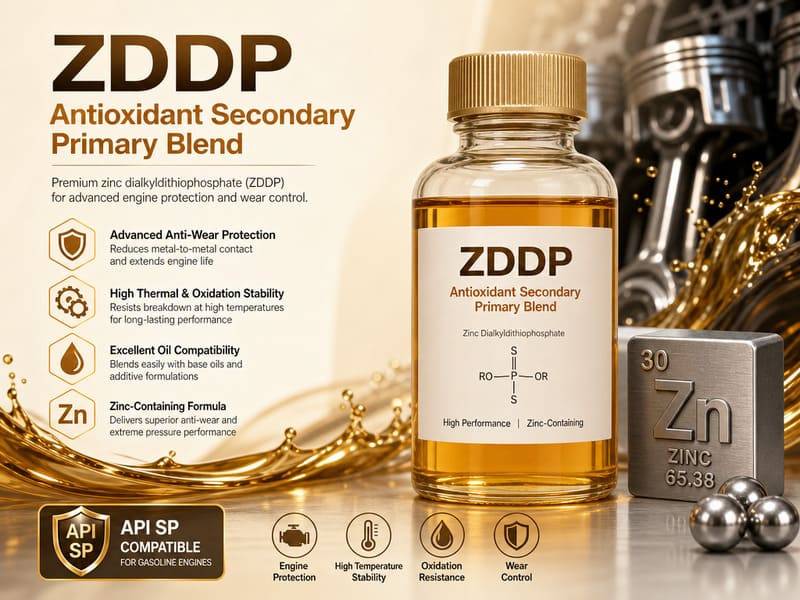
ZDDP zinc dialkyldithiophosphate lubricant additive sample
Why ZDDP Is The Soul of Engine Oil

One molecule, three functions — AW + AO + AC

No other lubricant additive matches ZDDP's efficiency. A single molecule simultaneously protects against wear, slows oxidation, and inhibits non-ferrous corrosion. After 70+ years, it remains the backbone of every engine, hydraulic and gear oil formulation.

ZDDP — the multifunctional lubricant additive Zinc Dialkyldithiophosphate · ZnDTP · Zinc Dithiophosphate ZDDP [(RO)₂P(=S)S]₂Zn Zn²⁺ + 2 dialkyldithiophosphate The "Soul" Additive ① ANTI-WEAR (AW) Forms glassy zinc phosphate tribofilm on stressed metal Protects cam lobes, lifters, gears, pump vanes from sliding wear ② ANTIOXIDANT (AO) Scavenges ROO· radicals + decomposes ROOH Slows base oil oxidation; delays sludge & varnish ③ ANTI-CORROSION (AC) Passivates Cu, Pb, Ag bearings Protects non-ferrous surfaces from acid

Modern API SP and ILSAC GF-6 specifications cap phosphorus content (max 0.08% P from ZDDP). When ZDDP loading is restricted, supplemental phenolic + aminic antioxidants take over the oxidation defence load — see the synergy below.

Phenolic + Aminic Synergy

Why every modern engine oil needs three antioxidants, not one

Oxidation is a chain reaction with multiple intermediate steps. Each antioxidant family attacks a different intermediate — used together, they break the entire chain at multiple points, delivering 3–5× the oxidation life of any single antioxidant alone.

Base oil oxidation chain — three antioxidants attack three different intermediates Chain-breaking + peroxide decomposition working in synergy Base oil R-H + O₂, heat Alkyl radical Peroxy radical ROO· Hydroperoxide ROOH Sludge + acids oil failure ✗ PHENOLIC AO Chain-breaking primary Donates H· to ROO· DBPC · mixed phenols · ester AO AMINIC AO Peroxide decomposer Decomposes ROOH safely Alkylated DPA · Nonylated DPA ★ ZDDP (multi-stage) Both pathways Scavenges ROO· + ROOH + delivers AW + AC bonus SYNERGY EFFECT Phenolic (low-temp) + Aminic (high-temp) + ZDDP (AW bonus) = 3–5× oxidation life vs any single AO

Phenolics excel below 130°C, aminics excel above 130°C — together they cover the full thermal range of an engine. Sinolook's combination of 4 ZDDP + 3 phenolic + 2 aminic grades lets you build any synergy ratio your formulation needs.

Our Antioxidant & Anticorrosion Range

Nine grades across three chemistries — build any AO synergy you need

Four ZDDP variants (Primary / Primary C8 / Hybrid Alkyl / Secondary-Primary Blend), three phenolic antioxidants (DBPC / Mixed Phenols / High Molecular Phenolic Ester) and two aminic antioxidants (Alkylated DPA / Nonylated DPA). Click any product for full TDS and bulk-supply quotation.

01

ZDDP — Primary / Secondary / C8 / Hybrid

Zinc dialkyldithiophosphate. Four variants by alcohol type — each tuned for different application severity, reactivity and thermal stability targets.

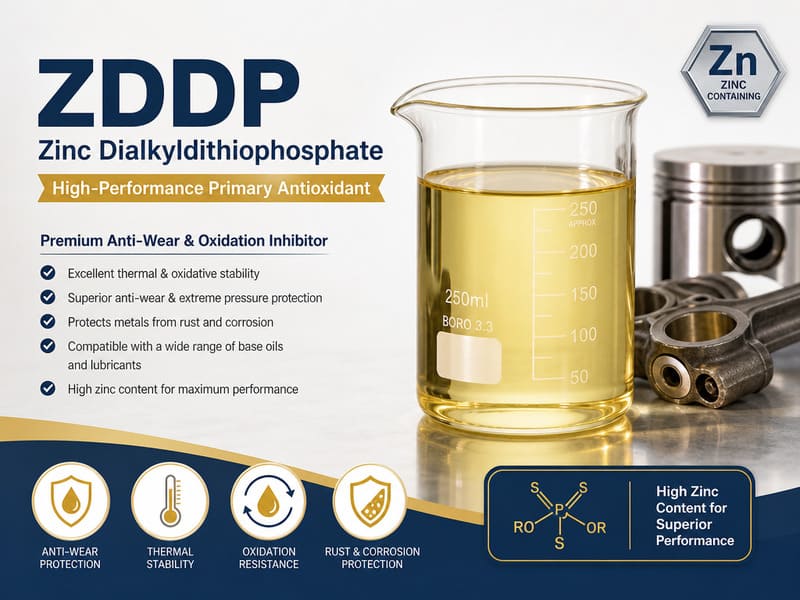
Primary ZDDP zinc dialkyldithiophosphate lubricant additive
Primary

Primary ZDDP

Primary alcohols · Per TDS

Best thermal stability — for industrial, hydraulic and gear oils requiring long service life and slow tribofilm formation.

View details
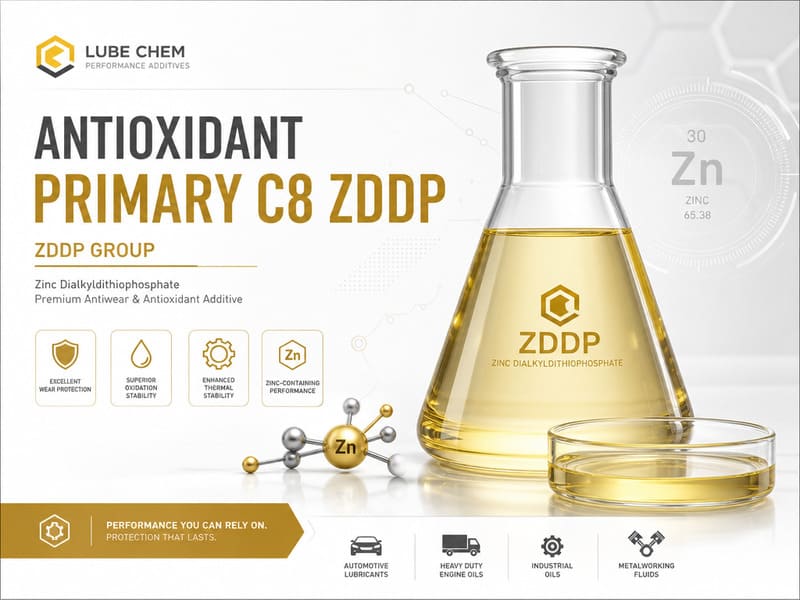
Primary C8 ZDDP 2-ethylhexyl lubricant additive
C8 · Primary

Primary C8 ZDDP

2-ethylhexyl chain · Per TDS

Premium primary ZDDP using 2-ethylhexyl alcohol — light color, excellent solubility, used in premium hydraulic and high-end industrial oils.

View details
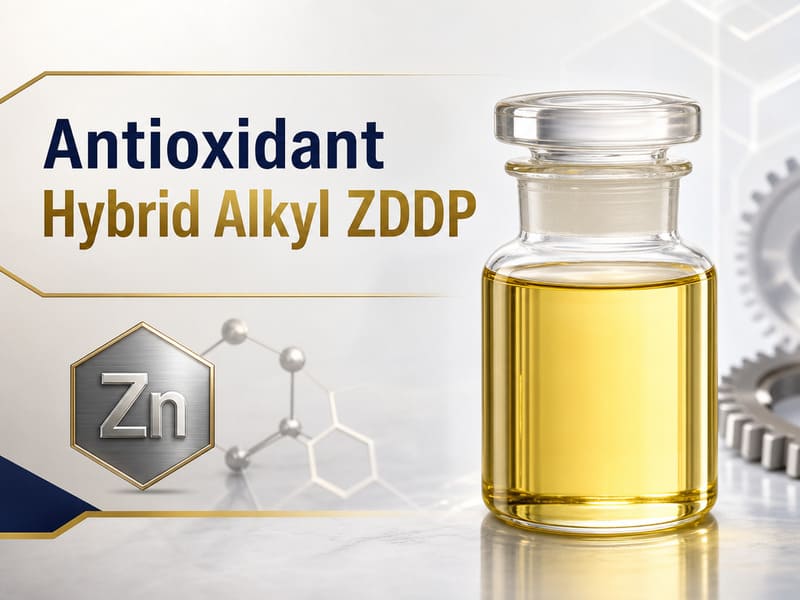
Hybrid alkyl ZDDP mixed primary secondary lubricant additive
Hybrid

Hybrid Alkyl ZDDP

Mixed alkyl · Per TDS

Hybrid primary + secondary alkyl chemistry — balanced reactivity and thermal stability. Versatile across engine, hydraulic and gear oil applications.

View details
02

Phenolic Antioxidants — DBPC / Mixed Phenols / Polymeric Ester

Chain-breaking primary antioxidants. Donate hydrogen to peroxy radicals to stop oxidation chain propagation. Best below 130°C — ideal for turbine, hydraulic and industrial oils.
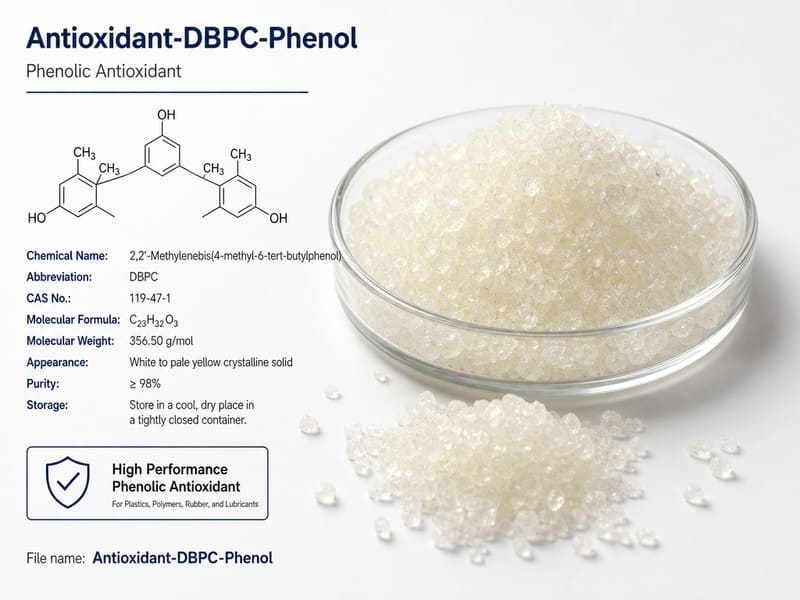
2,6-di-tert-butyl-p-cresol DBPC BHT T501 phenolic antioxidant
DBPC · BHT

2,6-Di-tert-butyl-p-cresol (DBPC, BHT)

Solid crystal · Per TDS

The universal phenolic AO — also known as BHT or T501. The standard antioxidant for transformer, turbine and hydraulic oils where light color and FDA compatibility matter.

View details
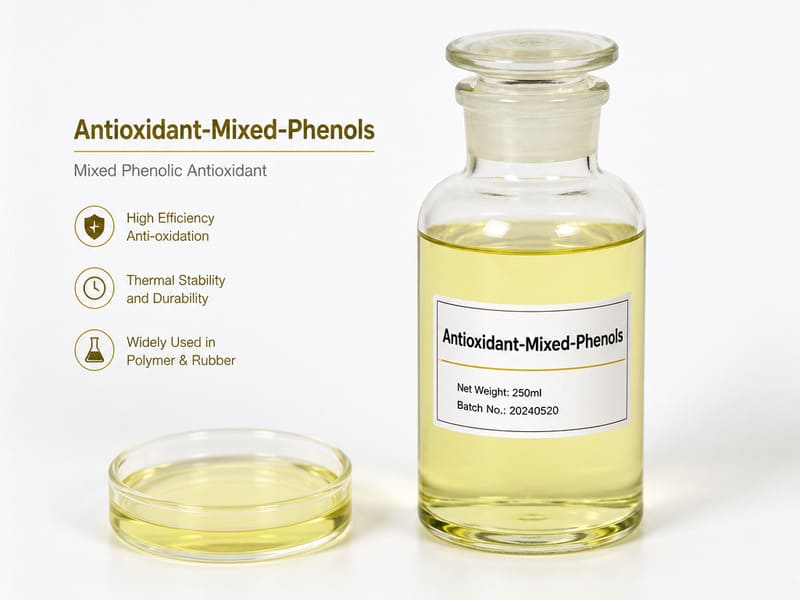
2,6-di-tert-butylphenol mixture liquid phenolic antioxidant
Mixed · Liquid

2,6-Di-tert-butylphenol Mixture

Liquid · Per TDS

Liquid alternative to DBPC — easier to blend at ambient temperature, no melting step required. Same hindered phenol chemistry, different physical form.

View details
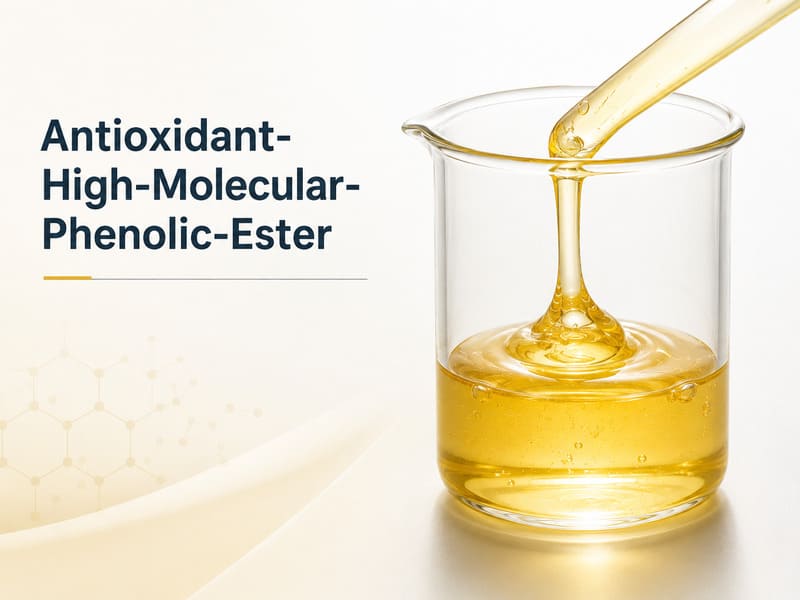
High molecular phenolic ester polymeric antioxidant low volatility
High MW · Ester

High Molecular Phenolic Ester

Polymeric ester · Per TDS

High-molecular-weight polymeric phenolic AO — minimal evaporation loss at high temperatures. Preferred for modern engine oils, low-SAPS PCMO and gas engine oils.

View details
03

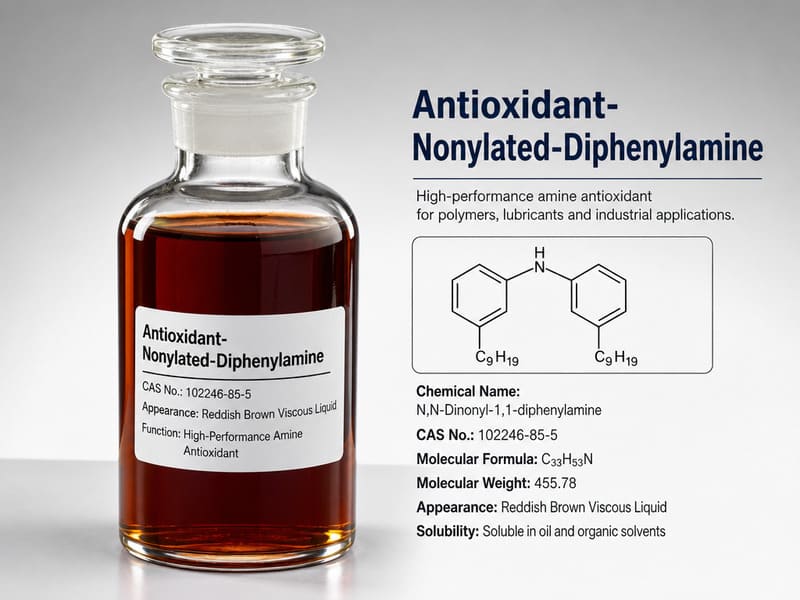
Aminic Antioxidants — Alkylated & Nonylated Diphenylamine

Peroxide decomposers. Excel at high temperature (above 130°C) where phenolic AOs lose effectiveness. Essential for turbine, gas engine, grease and ATF.
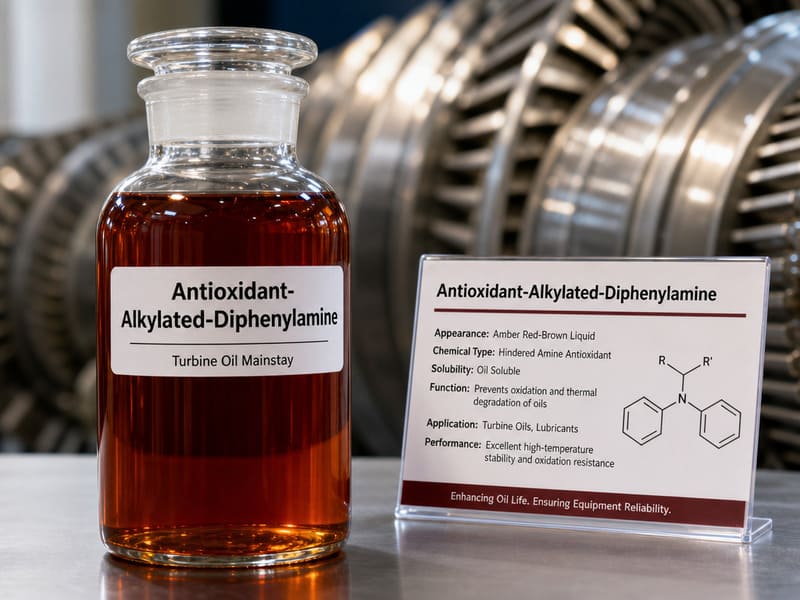
Nonylated diphenylamine NDPA high temperature aminic antioxidant
NDPA · High-T

Nonylated Diphenylamine

Dinonyl DPA · Per TDS

Higher-MW dinonyl variant — best volatility resistance and high-temperature service life. For gas turbine, industrial gas engine, high-temperature grease and ATF.

View details
Selection Guide

Nine AO + ZDDP grades at a glance

Quick comparison across all nine Sinolook antioxidant and ZDDP products. Click any row to open the full TDS.

Product Type Typical Treat Rate Primary Application Key Benefit TDS
Group 01 — ZDDP (Zinc Dialkyldithiophosphate)
Primary ZDDP Primary alkyl 0.5–1.5% Industrial, hydraulic, gear oils Best thermal stability View →
Primary C8 ZDDP 2-ethylhexyl 0.5–1.5% Premium hydraulic, industrial Light color, high solubility View →
Hybrid Alkyl ZDDP Mixed alkyl 0.8–1.4% Engine, hydraulic, gear (versatile) Balanced reactivity + stability View →
Group 02 — Phenolic Antioxidants (chain-breaking, < 130°C)
DBPC (BHT, T501) Hindered phenol · solid 0.1–0.5% Transformer, turbine, hydraulic Universal, FDA-compatible View →
2,6-Di-tert-butylphenol Mixture Hindered phenol · liquid 0.1–0.5% Industrial oils (easy blending) Liquid form — no melt step View →
High Molecular Phenolic Ester Polymeric ester 0.3–1.0% Modern PCMO, low-SAPS, gas engine Low volatility, long service View →
Group 03 — Aminic Antioxidants (peroxide decomposer, > 130°C)
Nonylated Diphenylamine Dinonyl DPA 0.3–1.0% Gas turbine, high-T grease, ATF Best volatility resistance View →

Treat rates indicative for typical formulations. Refer to product TDS and your finished oil specification (API SP, CK-4, DIN 51524, ISO VG, etc.) for actual dosing.

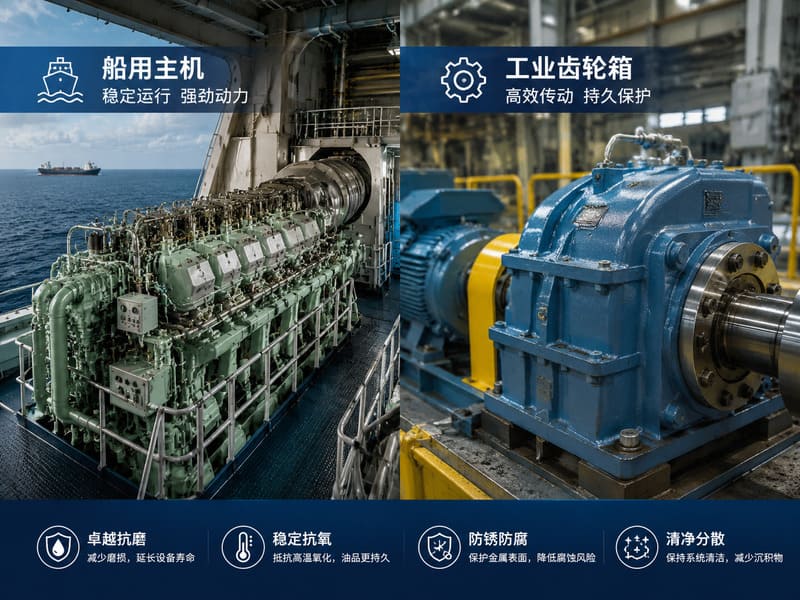
Where ZDDP & Antioxidants End Up

Three application zones, three antioxidant strategies

The right ZDDP + AO combination depends on the application's temperature profile, sliding-contact severity and SAPS budget. Three classic battlefields:

Why Sinolook AO + ZDDP

Nine grades, three chemistries, one supply chain

Most additive suppliers carry ZDDP or antioxidants — not both. Sinolook delivers the complete oxidation-defence package: four ZDDP variants plus five antioxidant grades, all SGS-verified and ICP-tested for metal content consistency batch after batch.

ADVANTAGE 01

Complete oxidation-defence package

4 ZDDP grades + 3 phenolic + 2 aminic antioxidants — build any synergy ratio your formulation needs. One supplier, one PO, fewer qualifications.

ADVANTAGE 02

Tight Zn, P, S content control

ICP metal-content verification on every ZDDP batch — critical for hitting API SP / ILSAC GF-6 phosphorus limits (max 0.08% P) and ACEA C-class sulphated ash caps.

ADVANTAGE 03

Reference synergy formulations

Starting formulations for API SP / SQ PCMO, ILSAC GF-6, ACEA C-class low-SAPS, API CK-4 HDDO, DIN 51524 hydraulic, ISO VG turbine and API GL-5 gear oils — with recommended Zn:P:phenolic:aminic ratios.

ADVANTAGE 04

Drum to ISO tank, sample to bulk

Start with a 200L drum for formulation qualification, scale to IBC tote, flexitank or ISO tank for commercial supply across 60+ countries.

Related Additive Categories

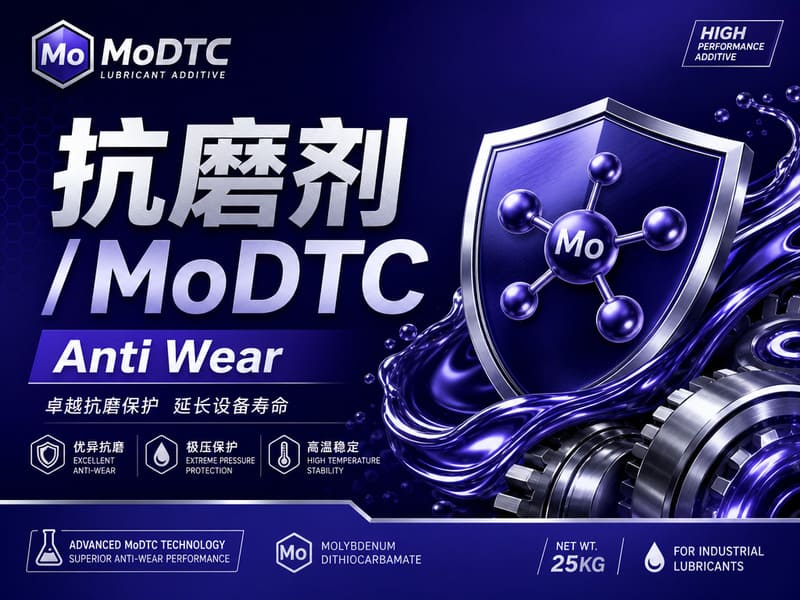
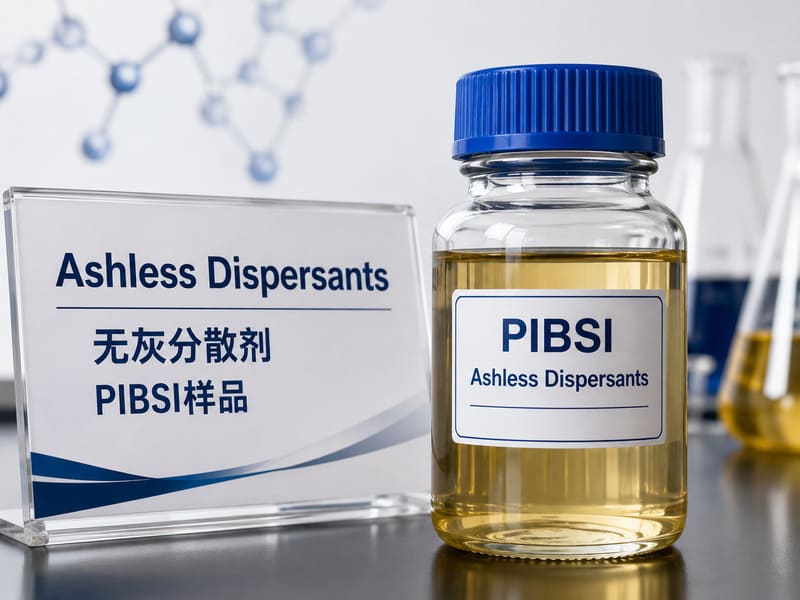
Pair ZDDP + AO with anti-wear and dispersant for a complete additive package

ZDDP provides AW + AO + AC, but heavy-duty applications often need supplemental anti-wear (MoDTC, MoDTP, borate ester) plus ashless dispersant for soot control. Sinolook supplies all these families:

FAQ

Frequently asked questions about ZDDP and antioxidants

What is ZDDP and why is it called the soul of engine oil?
ZDDP — Zinc Dialkyldithiophosphate, sometimes called Zinc Dithiophosphate or ZnDTP — is the single most efficient lubricant additive ever invented. One molecule performs three critical functions simultaneously:
1. Anti-wear (AW) — forms a glassy zinc phosphate tribofilm on stressed metal surfaces (cam lobes, lifters, gears, pump vanes);
2. Antioxidant (AO) — scavenges peroxy radicals (ROO·) and decomposes hydroperoxides (ROOH);
3. Anti-corrosion (AC) — passivates copper, lead and silver bearing surfaces against acid attack.

No other single additive delivers this AW + AO + AC trifecta, which is why ZDDP has been the backbone of every engine, hydraulic and gear oil formulation for over 70 years.
What is the difference between primary and secondary ZDDP?
The terms refer to the type of alcohol used in synthesis:

Primary ZDDP — uses primary alcohols (e.g. isobutanol, 2-ethylhexanol). The C–O bond at the primary carbon gives the molecule excellent thermal stability and slower tribofilm formation — ideal for industrial, hydraulic and gear oils that need long service life.
Secondary ZDDP — uses secondary alcohols. The C–O bond at the secondary carbon gives faster reactivity and stronger anti-wear film formation at lower temperatures — preferred for passenger car motor oils where engine startup wear matters most.
Hybrid / Mixed Alkyl — blends both alcohol types for balanced performance.

Modern API SP and ILSAC GF-6 formulations commonly use a secondary-primary blend ZDDP to balance both reactivity (cold-start AW) and thermal durability (extended drain).
Why do modern engine oils still need phenolic and aminic antioxidants if ZDDP is already an antioxidant?
ZDDP is a powerful antioxidant but it gets consumed over time, especially under the high-temperature stress of modern downsized turbocharged engines and extended drain intervals. Supplementing ZDDP with phenolic + aminic antioxidants creates a synergistic three-layer defence:
1. Phenolic AO (chain-breaking) stops the oxidation chain by donating a hydrogen atom to peroxy radicals (ROO·);
2. Aminic AO (peroxide decomposer) eliminates the hydroperoxide intermediates (ROOH) before they form new radicals;
3. ZDDP handles residual radicals and ROOH, plus delivers its AW + AC bonus.

The combination delivers oxidation life 3–5× longer than ZDDP alone, especially critical for low-SAPS oils where ZDDP loading is restricted by phosphorus limits.
What is the difference between phenolic and aminic antioxidants?
Phenolic antioxidants (DBPC, mixed phenols, polymeric phenolic esters) work as chain-breaking primary antioxidants. They donate a hydrogen atom to peroxy radicals (ROO·), stopping the oxidation chain reaction. They work best at moderate temperatures (<130°C) and contribute zero sulphated ash.

Aminic antioxidants (alkylated and nonylated diphenylamine, ADPA / NDPA) work as both chain-breaking and peroxide-decomposing antioxidants. They excel at high temperatures (>130°C) where phenolics begin to lose effectiveness — making them essential for turbine oils, gas engine oils, ATF and any high-temperature application.

Most modern formulations use a phenolic + aminic combination to cover the full thermal range of engine operation, plus ZDDP for the AW + AC bonus.
How much ZDDP should I use in my formulation?
Typical treat rates by application:
Passenger car motor oil (PCMO): 0.8–1.0% ZDDP — capped by API SP / ILSAC GF-6 phosphorus limit of 0.08% P max. Use Secondary-Primary Blend ZDDP.
Heavy-duty diesel (HDDO): 1.2–1.4% — API CK-4 / FA-4 allows slightly higher P. Secondary or Hybrid ZDDP.
Industrial & hydraulic: 0.5–1.5% depending on AW severity. Primary or Primary C8 ZDDP for thermal stability.
Gear oils: 0.5–1.0% often combined with ashless EP additives. Primary ZDDP.

Always reference the finished oil specification (API SP, CK-4, DIN 51524 part 2, API GL-5, etc.) and your starting formulation rather than treating these as design targets.
What is DBPC / BHT / T501 — are they the same thing?
Yes — these are all names for the same chemical: 2,6-di-tert-butyl-p-cresol.
DBPC — the chemistry abbreviation used in lubricant industry
BHT — Butylated Hydroxy Toluene, used in food and cosmetic industry
T501 — the Chinese lubricant additive code (T501 antioxidant)

It's the most widely used phenolic antioxidant globally — a hindered phenol that scavenges peroxy radicals. Light color, FDA-compatible at appropriate concentrations, suitable for transformer oils, turbine oils, hydraulic fluids and many industrial lubricants. Sinolook supplies DBPC as a solid crystal (most common) and also offers a liquid 2,6-Di-tert-butylphenol Mixture for easier blending without a melt step.
Can ZDDP, phenolic and aminic antioxidants be used together with detergent and dispersant?
Yes — every modern engine oil uses all five. A typical API SP / ILSAC GF-6 PCMO formulation:
Sec-Prim Blend ZDDP at 0.8–1.0% (AW + AO + AC primary backbone, capped by P limit);
High MW Phenolic Ester at 0.5–1.0% (low-volatility phenolic AO for moderate temperatures);
Alkylated Diphenylamine at 0.3–0.8% (high-temperature aminic AO);
Calcium salicylate or sulfonate detergent at 2–4% (hot-zone deposit control);
PIB Bis-Succinimide dispersant at 3–5% (cold-zone sludge suspension).

The detergent works hot, the dispersant works cold, ZDDP protects sliding surfaces, phenolic + aminic AOs protect the base oil at every temperature. See sulfonate detergents, salicylate detergents, ashless dispersants and anti-wear agents.
What packaging and MOQ does Sinolook offer?
Standard packaging: 200L drum (sample / qualification), 1000L IBC tote (pilot batches), flexitank (~20 MT), and ISO tank container (~20 MT commercial). DBPC, as a solid, is supplied in 25kg fiber drums or 1000kg bulk bags. MOQ typically 1 drum for samples and 1 ISO tank (or 25 MT bag-lot for DBPC) for commercial. Global bonded storage across strategic Asia-Pacific hubs enables fast delivery worldwide. HS Code 3811.21 for liquid ZDDP and antioxidants; 2907.13 for DBPC solid.
Can Sinolook provide TDS, MSDS, COA and starting formulations?
Yes. Technical Data Sheet (TDS), Material Safety Data Sheet (MSDS / SDS in GHS format), and batch-specific Certificate of Analysis (COA) are provided for every product in English or Chinese. We can also share reference starting formulations for common applications including:
• API SP / SQ / ILSAC GF-6 PCMO
• ACEA C2 / C3 / C5 low-SAPS PCMO
• API CK-4 / FA-4 HDDO
• DIN 51524 part 2 / 3 hydraulic
• ISO VG turbine oil
• API GL-4 / GL-5 gear oils
• EP-2 lithium and polyurea grease
With recommended Zn:P, phenolic:aminic and detergent ratios. Email sales@sinolook.com or message us on WhatsApp.

Ready to source ZDDP and antioxidants from Sinolook?

Tell us the additive type, target specification (API SP, CK-4, DIN 51524, ISO VG, etc.) and volume — we'll respond within 24 hours with TDS, reference treat rate and a delivered quotation.

Request a Quote
滚动至顶部